Blog
Guest Blog: “It can’t happen here”: The future of abortion rights in Scotland (and what we can do about it)
In this guest blog, actor, writer and campaigner Ally Ibach explores how anti-choice narratives became entrenched in the USA, and why Scotland needs modern abortion law that works for women in the face of rising threats to reproductive rights.
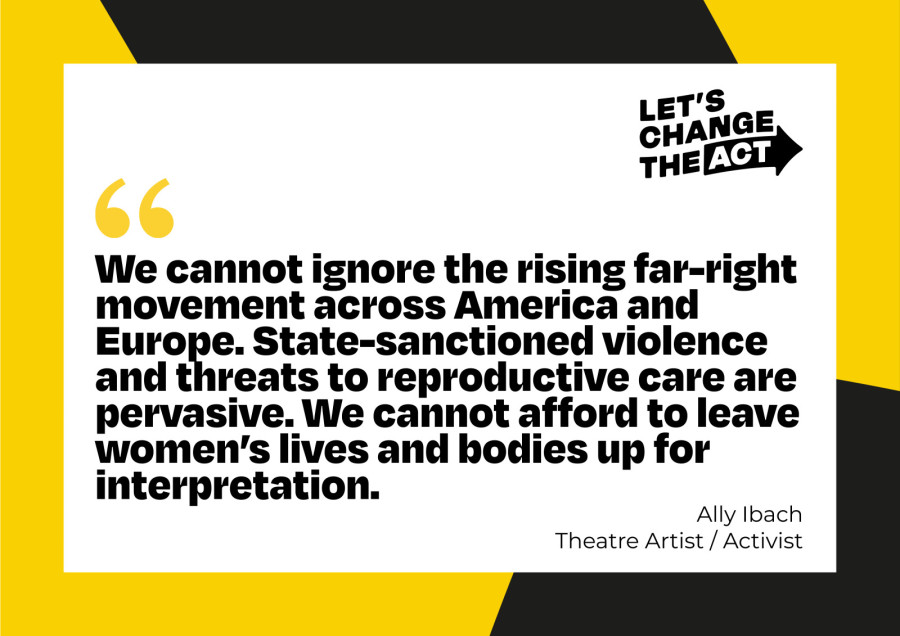
Long before Roe v. Wade (1973), abortion was not nearly as outwardly contentious or topical an issue in public American media.
After all, American Republicans have historically identified themselves as the party of free will in a free-market capitalistic structure; if you want to do something, you should be able to, without the government peering over your shoulder. This argument has served for years in defence of lowering taxes regardless of income, defending gun ownership, and many more classic conservative American stances.
Standing up against abortion disinformation
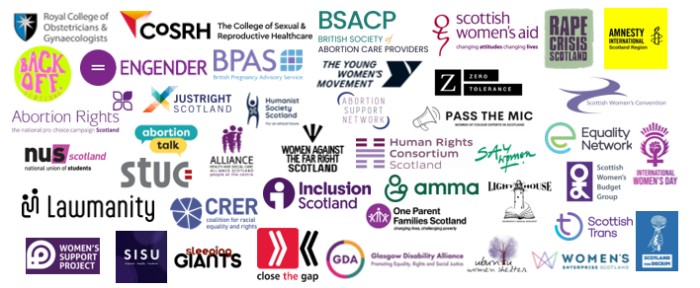
Following the recent publication of the Scottish Government’s Abortion Law Review report, we’ve published a briefing for MSPs in support of the report’s recommendations and calling for the full decriminalisation of abortion, alongside a modernised health-based system of abortion care in line with international health and human rights standards.
Since the release of the report, there has been a concerted campaign to publicly distort its recommendations. We’re calling on MSPs to stand up against these kinds of tactics.
This is critical for two reasons:
- Scotland’s women deserve the highest standard of abortion healthcare, and
- Abortion policy development, like all policy development, should be shaped using the highest level of evidence and expertise, not politicised scaremongering.
Read our full briefing to MSPs here.
Breaking: Landmark report sets clear path to decriminalisation and modernised healthcare
Today, the Scottish Government have released an Expert Group report that provides a clear roadmap for removing abortion from the criminal justice system and replacing the outdated Abortion Act 1967 with a modernised, health-based framework.
Out and about in Glasgow
-500.jpeg)
We had a great day last week chatting with the folk of Glasgow about reproductive rights in Scotland and #LetschangetheAct.
Some BIG reactions to our stats and chats.
Look out for the videos coming soon on Instagram and help us spread the news.
Why abortion rights mattered - Time’s Up for Outdated Abortion Laws
By Jen Ang, Director of Lawmanity

 RSS
RSSSpeak up LetsChangeTheAct